8K Dual Camera Foldable Drone: Brushless + Avoidance
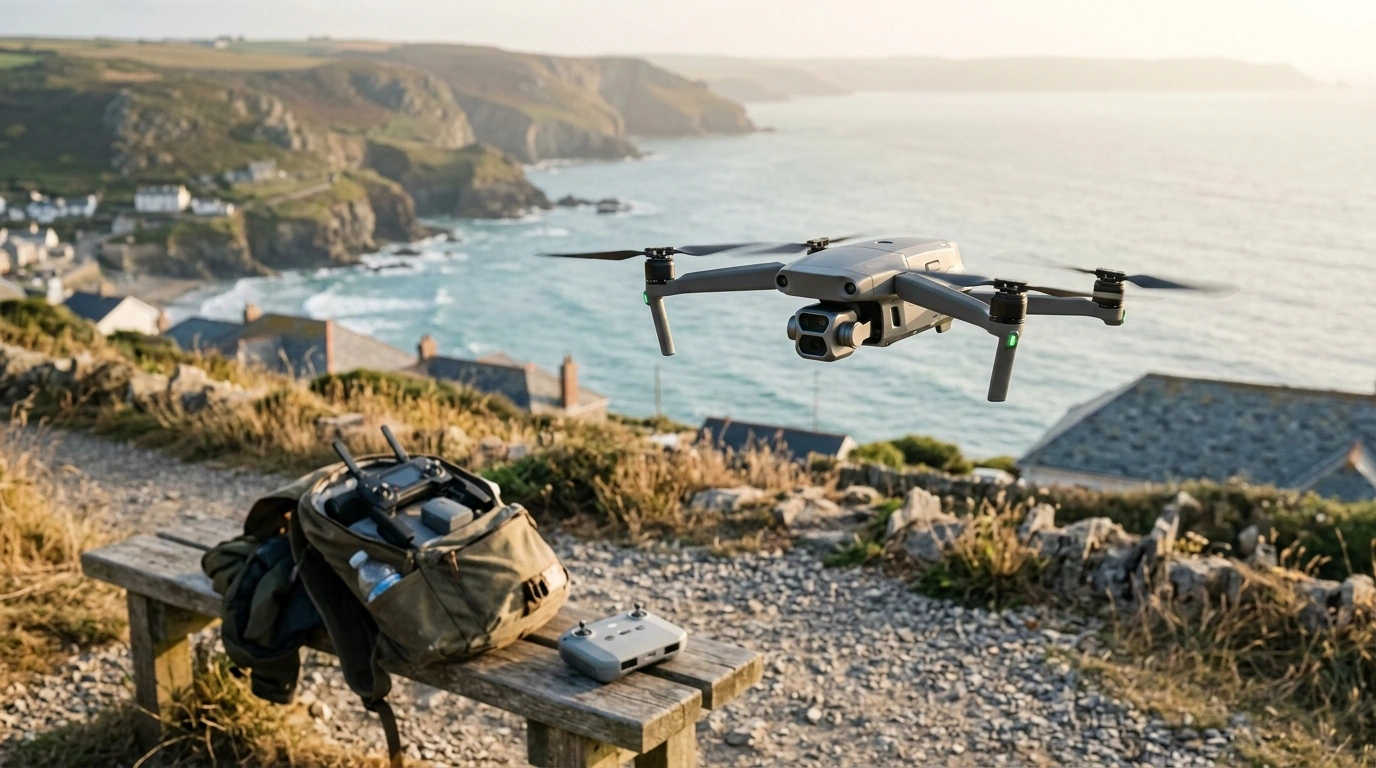
8K HD Dual Camera Drone: Brushless Power, Obstacle Avoidance, and a Foldable Design for Aerial Photos
A foldable quadcopter that pairs dual cameras with brushless motors and obstacle avoidance can make everyday aerial shooting smoother—from quick neighborhood flyovers to travel footage. The right setup helps you spend less time fighting drift or framing and more time capturing steady reveals, clean approaches, and repeatable angles. Below is a practical guide to how these features affect real flights, what to test on day one, and how to get cleaner video while keeping safety front and center.
What Stands Out About This Dual-Camera Foldable Quadcopter
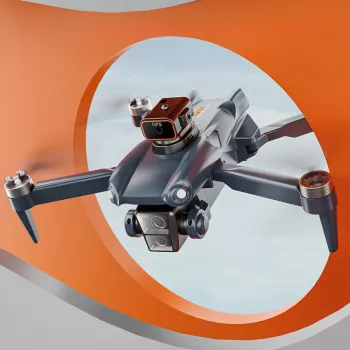
The appeal of a foldable dual-camera drone is how many common “beginner pain points” it aims to reduce: awkward packing, inconsistent hovering, and missed framing due to frequent landings. A model like the 8K HD Dual Camera Drone is built around a few core ideas that matter the moment you power on.
- Dual cameras let you switch perspectives quickly, which can speed up composition decisions when the light is changing.
- Brushless motors are designed for steadier thrust and better efficiency than basic brushed setups, which can translate to smoother hovering and calmer pans.
- Obstacle avoidance adds a safety layer for forward/side movement, especially when you’re focused on the screen instead of what’s off to the side.
- Foldable arms make storage simpler and encourage you to bring the drone more often—because it’s not a “whole backpack” commitment.
- Workflow-friendly design favors quick launch, straightforward control, and repeatable shots you can recreate on later flights.
Dual Cameras in Real Use: Better Framing, Faster Shot Decisions
A second camera is most valuable when it saves you from landing. Instead of stopping your session to reframe, you can switch views to confirm alignment, adjust your approach, and keep recording while the scene is still working.
- Scouting and framing: Use one camera view to “read” the location—shorelines, rooflines, and leading lines—then switch to tighten composition without changing your flight path.
- Overhead reveals: Start low behind an object (a fence line or ridge), rise slowly, and switch views to keep the horizon level and your subject centered.
- Orbit-style moves: Fly a wide, slow arc around a subject and use the alternate view to maintain consistent distance and reduce last-second course corrections.
- Smooth approach shots: A gentle push-in looks more cinematic than a fast rush. Obstacle avoidance can boost confidence here, but the best “stabilizer” is still slower speed.
What to test on day one: confirm how camera switching behaves in the live view, check focus consistency and exposure differences between cameras, and note any latency. If the feed lags, reduce speed and avoid quick yaw spins—smooth inputs hide delay better than aggressive corrections.
Tip for clearer footage: fly slower than feels necessary. Many “shaky drone videos” come from over-controlling: abrupt yaw, sudden stops, and constant micro-adjustments that show up as jitter.
Brushless Motors: Why They Matter for Smooth Video and Control
Brushless motors are a big deal for aerial photography because consistency is everything. When thrust changes are smooth and predictable, the drone holds position more calmly and your footage shows fewer micro-jerks during hover, gentle pans, and slow push-ins.
- Stability benefits: more consistent thrust helps reduce the tiny bumps that become visible “twitches” in video.
- Wind handling: responsive power adjustments can improve control in light breezes (still avoid gusty days while learning).
- Efficiency and heat: brushless designs often run cooler and can help maintain performance across the battery cycle.
- What to listen and feel for: even motor tone, minimal vibration in hover, and throttle that ramps smoothly rather than “jumping.”
Obstacle Avoidance: Safer Flights, Not a Substitute for Awareness
For U.S. safety basics and airspace rules, review the FAA recreational flyer guidance and check local conditions with FAA B4UFLY. If you travel, note that many areas have restrictions; for example, the National Park Service rules prohibit launching and landing in national parks.
Quick Setup and First Flight Checklist
First flight: quick checks and what they confirm
| Check | What to do | What success looks like |
|---|---|---|
| Prop/arm inspection | Unfold fully, ensure props are undamaged and securely mounted | No wobble, no cracks, smooth manual spin |
| Connection and live view | Pair controller and confirm camera feed | Stable feed with minimal lag and clear framing |
| Low hover stability | Hover at low altitude for 20–30 seconds | Minimal drift, predictable controls |
| Gentle movement test | Slow forward/side movement and yaw | No sudden dips, smooth turns, controlled stops |
| Short recording review | Record a clip and review on a larger screen if possible | Low vibration, stable horizon, usable detail |
Getting Cleaner Aerial Photos and Video
If you’re building a hobby budget for gear, batteries, and storage, a planning resource like Stacked & Secure: How Much You Really Need in Savings (At Any Stage in Life) – Digital Guide on How Much to Save for Financial Freedom can help set realistic spending targets without derailing other priorities.
Care, Storage, and Travel Tips for a Foldable Drone
FAQ
Does obstacle avoidance prevent crashes completely?
No. Obstacle avoidance is an assist feature and can miss thin branches, wires, reflective surfaces, low-light obstacles, or fast approaches, so it’s best used as a backup while you maintain line of sight and fly at controlled speeds.
How far should a beginner fly on the first day?
Stay close in a wide-open area and focus on low hovers, slow forward/side movement, and gentle turns. Increase distance only after you can hold a steady hover and your short test recordings look stable.
What’s the benefit of brushless motors for aerial photography?
Brushless motors typically provide steadier thrust and more predictable control, which can reduce vibration and micro-jerks in footage. They also tend to run more efficiently, helping performance stay consistent across a battery.









Leave a comment