Multifunctional Slicer Shredder: Faster Prep, Cleaner Cuts
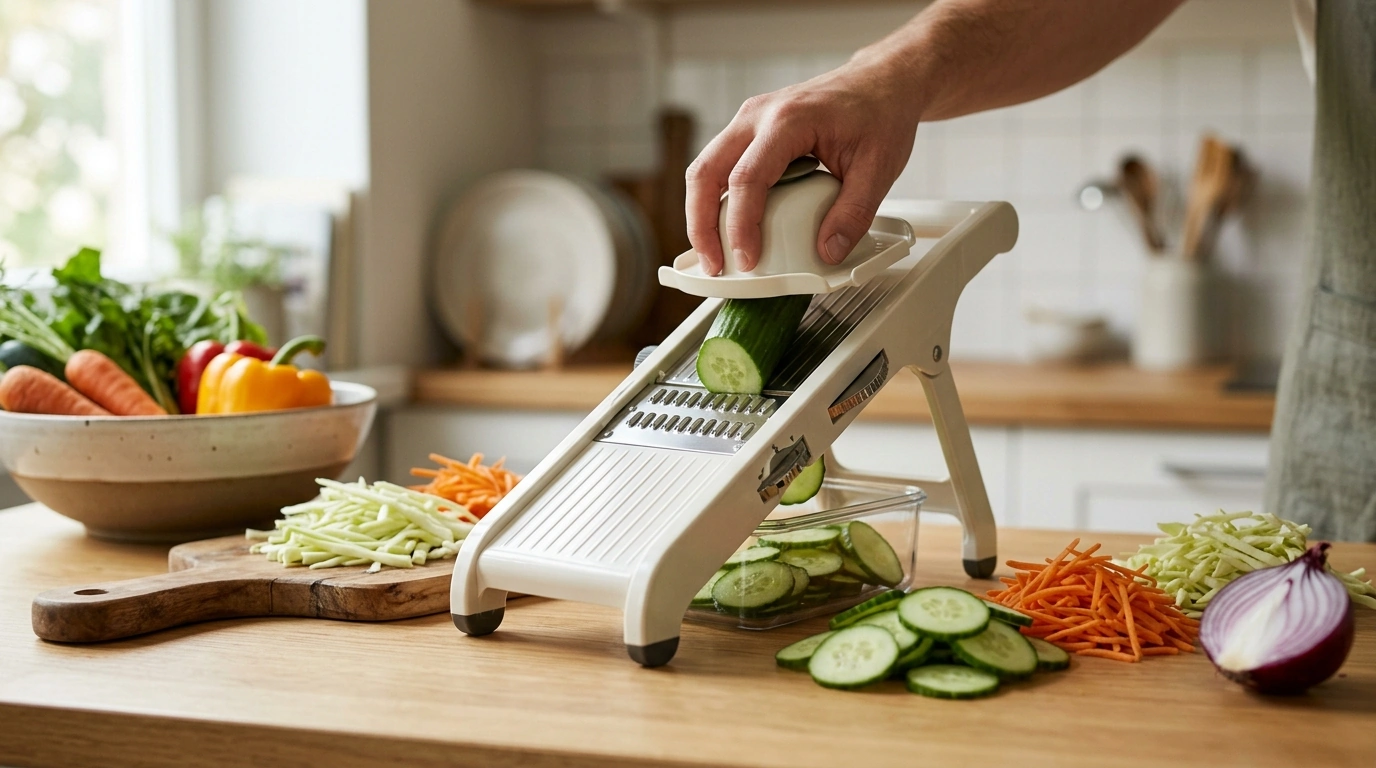
Faster Prep, Cleaner Cuts: Why a Multifunctional Slicer Shredder Earns Its Space
Chopping, slicing, and shredding can turn simple meals into a time sink—especially when you’re trying to get dinner on the table without sacrificing freshness. A multifunctional slicer shredder streamlines daily prep with consistent results, helping salads, stir-fries, slaws, and garnishes come together quickly while keeping your hands farther from the blade than typical knife work. For busy weeknights, it’s the kind of tool that can make “cook at home” feel realistic again.
What a Multifunctional Slicer Shredder Does (and When It Helps Most)
A multifunctional slicer shredder is built to handle the repetitive cuts that show up in everyday cooking. Instead of switching between a chef’s knife, a box grater, and a mandoline-style slicer, you can cover multiple tasks with one setup and a few interchangeable options.
- Handles common prep tasks like slicing and shredding for vegetables and firm fruits.
- Improves consistency for even cooking (thin slices cook faster; uniform shreds mix evenly).
- Reduces repetitive knife work for high-volume prep: meal planning, batch salads, and party trays.
- Useful for quick add-ons: cucumber rounds, onion slices, carrot shreds, potato slices, cabbage for slaw.
- Best suited for firm produce; very soft items may require gentler tools to avoid mushy results.
If you frequently prep “a little of everything” (salad veg, stir-fry veg, sandwich toppings), a slicer/shredder can cut down the time spent on the least exciting part of cooking—without forcing you into a single cut style.
Stainless Steel Blades: Why Material Matters
Blade material has a direct impact on performance and upkeep. Stainless steel is a popular choice because it holds up well in a wet, acidic kitchen environment and helps deliver cleaner cuts on crisp produce.
- Stainless steel resists corrosion and staining better than many alternatives, especially with wet, acidic foods.
- A sharper edge typically means less force is needed, which can improve control and reduce slipping.
- Cleaner cuts help preserve texture: crisp cucumber slices, tidy carrot shreds, and neater onion slices.
- Blade care affects longevity: rinse promptly, dry thoroughly, and store to prevent edge damage.
- If dishwasher use is desired, confirm the specific care guidance for the tool and blade inserts.
Clean cutting isn’t just about appearance. When produce is sliced cleanly instead of crushed, you’re more likely to get crunchier salads, better browning on sheet-pan vegetables, and more even pickling.
Common Cutting Options and Ideal Foods
The most useful slicer/shredder is the one that matches how you cook. If your go-to meals include salads, tacos, roasted vegetables, or quick sautés, you’ll get the most mileage from straight slices plus at least one shredding option.
- Straight slicing: cucumbers, zucchini, potatoes, onions, apples (firm).
- Shredding/grating: carrots, cabbage, cheese (if supported), beets (with caution due to staining).
- Thin vs. thick results affect recipes: thin slices for chips and gratins; thicker slices for sautéing.
- Match the cut to the dish: fine shred for slaw; coarser shred for stir-fry or roasting.
- For uniformity, trim produce to create a flat, stable surface before slicing.
| Cut style | Good for | Quick uses |
|---|---|---|
| Thin slices | Potatoes, cucumbers, zucchini | Gratin, quick pickles, salads |
| Medium slices | Onions, carrots, apples (firm) | Sauté base, sheet-pan roasting |
| Fine shred | Cabbage, carrots | Coleslaw, taco topping |
| Coarse shred | Carrots, zucchini | Fritters, stir-fry, veggie mixes |
Safety and Comfort Features to Look For
Speed matters, but safety matters more—especially with sharp, exposed cutting surfaces. A well-designed slicer/shredder should feel stable, predictable, and comfortable for repeated use.
- Stable base and non-slip contact points help prevent movement on wet countertops.
- Hand guard or pusher reduces finger exposure near blades, especially with small end pieces.
- Comfortable grip and ergonomic angles reduce wrist strain during repeated slicing.
- Clear food path and easy-to-clean channels reduce clogs and accidental contact during cleanup.
- Storage for blade inserts helps avoid loose blades in drawers.
Food safety practices also start with a clean workspace. For straightforward, reliable guidance, follow the basics from the CDC’s four steps to food safety and review cleaning practices like those outlined by the USDA FSIS kitchen companion.
Cleaning, Maintenance, and Storage
Great blades stay great with small habits that take less than a minute. The main goal is to prevent residue from drying onto cutting surfaces and to protect the edge during storage.
Recipe-Friendly Prep Ideas (Weeknight Focus)
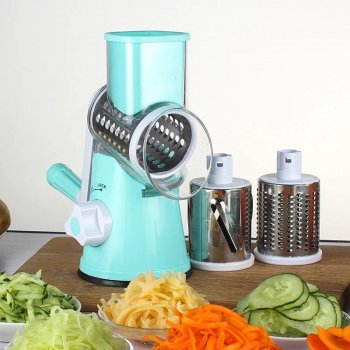
Product Spotlight: Multifunctional Vegetable Slicer Shredder
If you want one tool that covers multiple prep steps, the Multifunctional Vegetable Slicer Shredder is designed to speed up everyday cutting with interchangeable options and stainless steel blades for crisp slicing and reliable shredding. It’s a practical fit for small kitchens that want less clutter on the counter but still want flexibility for salads, stir-fries, roasted vegetables, and quick pickles.
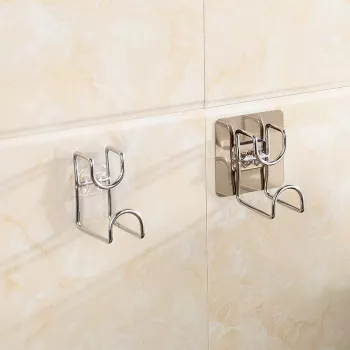
To keep cleanup more organized—especially when you’re rinsing produce, blade inserts, and prep bowls—consider adding a simple sink-side helper like the Stainless Steel Washbasin Rack.
FAQ
Can stainless steel slicer blades rust over time?
Stainless steel is corrosion-resistant, but it isn’t rust-proof in all conditions. Prompt rinsing, thorough drying, and avoiding long soaks help prevent spotting or corrosion.
What vegetables are easiest to slice and shred with a multifunctional slicer?
Firm produce like cucumbers, carrots, cabbage, zucchini, and potatoes typically work best. Very soft or overripe items may compress rather than slice cleanly.
How can cuts be kept even and consistent?
Trim a flat side for stability, apply steady pressure, keep the produce aligned, and choose the blade insert that matches the thickness or shred size you want.








Leave a comment