5–8 Person Family Tent: 2 Bedrooms + Living Room Guide
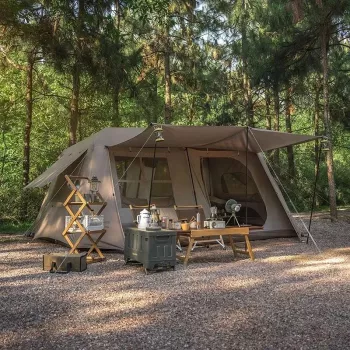
Outdoor Family Camping Tent for 5–8 People with 2 Bedrooms and a Living Room
Designed for basecamp-style trips, this family tent layout separates sleeping areas from the shared space, helping groups stay organized in changing weather and busy camp routines. With two bedrooms for downtime and a central “living room” for gear and daily traffic, it’s a practical setup for campground weekends, longer stays, and any trip where comfort matters as much as coverage.
Who This Tent Suits Best
- Families who want separate sleeping zones for kids and adults
- Groups that prefer a central living area for bags, games, and changing clothes
- Car camping and campground stays where comfort and organization matter more than ultralight packing
- Trips with mixed conditions where an indoor-style hangout space helps everyone reset
If you’re comparing layouts, the two-bedroom approach is especially helpful for keeping bedtime calmer and mornings smoother—one room can stay quiet while the other handles early risers.
Layout: Two Bedrooms Plus a Shared Living Room
The standout feature of a 2-bedroom family tent is the natural separation between “sleeping clean” and “everything else.” That separation can make a big difference when weather turns or when multiple people are coming and going.
- Two-bedroom setup creates privacy and reduces nighttime disruptions
- Living room area works as a gear staging zone to keep sleeping areas tidy
- Natural flow: shoes and wet jackets near the entry; sleeping gear stays separated
- Helpful for nap schedules: one room can stay quiet while the other is in use
- Consider assigning each bedroom to a pair or small group and reserving the center for shared items
For the cleanest routine, treat the living room like a “mudroom”: a place for coats, headlamps, and the stuff you’ll grab repeatedly—without crawling over sleeping pads to find it.
Capacity Planning: What “5–8 People” Means in Practice
Capacity ratings are best read as “maximum floor space occupancy,” not always “best sleep quality.” For many groups, dialing back the headcount improves comfort dramatically—especially when gear stays inside.
- A higher capacity is most comfortable with smaller sleeping pads and minimal gear in bedrooms
- For more comfort, plan fewer sleepers and use the extra space for duffels, a portable crib, or a pet bed
- If bringing bulky air mattresses, verify they fit the bedroom dimensions and leave walkway space
- Rainy-day comfort improves when there is standing/sitting room in the living area
Practical capacity guide
| Group size | Best use of bedrooms | Living room setup | Comfort level |
|---|---|---|---|
| 5 people | 2–3 in one bedroom, 2 in the other | Gear + small seating area | Very comfortable |
| 6 people | 3 and 3 split | Mostly gear storage | Comfortable |
| 7 people | 4 and 3 split (tight) | Minimal open space | Cozy |
| 8 people | 4 and 4 split (tight) | Only essentials in center | Snug |
Weather and Ventilation Considerations
Large tents are comfortable, but they also catch more wind and can build up condensation faster. A few campsite and ventilation habits go a long way.
- Choose campsites with good drainage; avoid low spots where water can pool
- Use a groundsheet or footprint sized to the tent floor (not extending beyond the edges)
- Ventilation matters in large family tents: crack vents or doors when conditions allow to reduce condensation
- In wind, orient the lowest profile side toward prevailing gusts and secure all guylines
- After rain, open the living area for airflow before packing to prevent mildew smell
For broader best practices on safe, responsible camping, review the National Park Service camping safety guidance and the Leave No Trace principles before heading out.
Setup Tips for Faster, Less Stressful Pitching
Multi-room tents reward a little preparation. A quick dry run at home can cut setup time at the campground and prevent missing-connector frustration right before sunset.
- Do a quick practice setup at home to identify pole/connector sequence
- Stage parts by step: footprint/groundsheet, tent body, poles, rainfly, stakes, guylines
- Assign roles: one person on poles, one on staking corners, one managing fly and guylines
- Stake corners first to square the base; then tension fly and guylines evenly
- Keep a small repair kit on hand (spare cord, patch tape, pole sleeve) for longer trips
If you’re deciding between tent styles and capacities, the sizing and feature breakdown in REI’s family tent advice is a helpful cross-check for layout expectations.
Making the Living Room Work Like a Real Camp Hub
The “living room” earns its keep when it stays organized. A simple zoning approach keeps the bedrooms cleaner and prevents that mid-trip pile-up of random gear.
Care, Storage, and Longevity
Quick Specs Snapshot and What to Confirm Before Checkout
In-Stock Picks to Build Your Camp Setup
- Outdoor Family Camping Tent for 5–8 People — two bedrooms plus a living room for organized basecamp comfort.
- Stainless Steel Washbasin Rack — a simple add-on for creating a tidy wash station at the campsite or near the picnic table.
FAQ
Can two queen air mattresses fit in a two-bedroom family tent layout?
It depends on each bedroom’s floor dimensions and how the doors are positioned. Measure the mattresses and confirm you’ll still have clearance for zippers and a usable walkway; many groups find one queen plus smaller pads makes the layout easier to live in.
How many people can sleep comfortably if gear stays inside the tent?
For most groups, planning for fewer than the maximum capacity is more comfortable when bags and bins are inside. A 5–6 person setup usually leaves enough room to keep the living area functional while the bedrooms stay dedicated to sleeping.
How can condensation be reduced in a large family tent?
Use ventilation whenever conditions allow by cracking vents or partially opening a door, and keep wet jackets and shoes in the living room instead of the bedrooms. Avoid low, damp campsites when possible, and always dry the tent thoroughly after the trip to prevent lingering moisture.








Leave a comment