Stainless Steel Hand Pump Sprayer: Yard & Patio Power
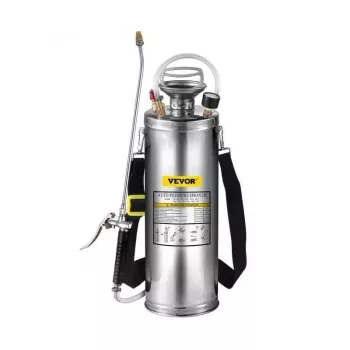
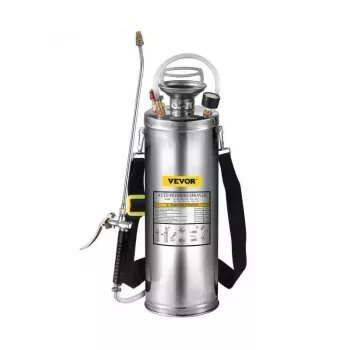
Stainless Steel Hand Pump Garden Sprayer: Durable Pressure Spraying for Yard and Home Tasks
A stainless steel hand pump sprayer is built for repeated use where durability, easy cleaning, and reliable pressure matter. From treating plants and lawns to applying cleaners around patios and outdoor furniture, a metal tank and simple hand-pump design can offer steadier performance than many lightweight plastic options—especially when used frequently or stored outdoors.
What a Stainless Steel Hand Pump Sprayer Does Well
For property maintenance, consistency is the difference between a quick job and repeated touch-ups. A stainless steel hand pump sprayer shines in a few key ways:
- Delivers controlled, pressurized spraying without batteries or cords.
- Handles frequent refills and repeated pumping without the flex and fatigue common in thin plastic tanks.
- Keeps odors and staining lower over time compared with porous materials when used with typical garden solutions.
- Works for spot treatments and general wetting tasks where a hose-end sprayer is too broad.
Best Uses Around the Yard, Garden, and Home Exterior
A hand pump sprayer is most useful when you want targeted coverage and predictable output. Common applications include:
- Plant care: misting, foliar feeding, and gentle rinsing where a soft spray pattern is preferred.
- Lawn and landscape: applying ready-to-use treatments or diluted concentrates (only if the chemical label allows).
- Outdoor cleaning: siding, fencing, patio furniture, and grills using approved cleaning solutions.
- Pest control: targeted perimeter applications and crack/crevice wetting outdoors (follow local regulations and product labels).
- Water-only tasks: pre-wetting soil for transplanting or dampening compost layers.
When applying any pesticide or herbicide, the label is the law. For additional guidance on why label directions matter, see the EPA: Pesticide Labels and Why They Matter. For broader exposure-reduction practices, review CDC/NIOSH pesticide safety information.
Key Features to Look For Before Buying
Not all hand pump sprayers feel the same in daily use. A few design details can make the difference between steady pressure and constant fiddling.
- Tank material and seams: stainless steel body with sturdy welds or reinforced joints for long-term pressure holding.
- Pump and seals: smooth pump action with chemical-resistant gaskets (important for longevity and leak prevention).
- Pressure control: dependable shutoff and consistent spray output; an easy-to-hold handle reduces hand strain.
- Nozzle options: adjustable patterns (mist to stream) to match delicate leaves or targeted spraying.
- Carry comfort: stable base, balanced handle, and a hose length that reaches without tipping the tank.
- Ease of cleaning: wide opening and removable wand/nozzle parts to flush residue.
Quick Checklist for Comparing Hand Pump Sprayers
| What to check | Why it matters | What to look for |
|---|---|---|
| Tank material | Resists dents, UV wear, and long-term odor/staining | Stainless steel tank; solid construction |
| Seal quality | Prevents leaks and pressure loss | Chemical-resistant O-rings; tight fittings |
| Nozzle adjustability | Controls coverage and drift | Mist/cone/stream adjustment; steady output |
| Pump comfort | Reduces fatigue during pressurizing | Ergonomic handle; smooth stroke |
| Cleaning access | Avoids clogs and cross-contamination | Easy disassembly; wide fill opening |
How to Use a Hand Pump Sprayer Safely and Effectively
Good technique improves coverage and helps protect surrounding plants and surfaces.
- Read and follow the label for any product being applied; label directions override general guidance.
- Mix only in the recommended concentration and use clean water to reduce nozzle clogging.
- Pressurize gradually: pump until resistance increases, then test spray pattern before starting the task.
- Spray downwind and low to the target to reduce drift onto desirable plants and surfaces.
- Avoid over-wetting: apply evenly until surfaces are lightly coated rather than dripping, unless the label specifies saturation.
- Depressurize after use to reduce seal stress and prevent unexpected spraying during storage.
Cleaning, Storage, and Longevity Tips
A durable tank still benefits from a consistent rinse routine. Cleaning also reduces cross-contamination when switching between water-only tasks and treatments.
- Rinse immediately after use, especially after fertilizers, soaps, or any sticky solutions.
- Flush the hose and nozzle by spraying clean water through the system for 30–60 seconds.
- For solutions that leave residue, use a mild soap rinse followed by clear water; avoid abrasives that can scratch metal surfaces.
- Store empty, depressurized, and out of direct weather exposure to protect seals and keep the pump moving smoothly.
- Inspect O-rings and nozzle screens periodically; replace worn seals to restore pressure and prevent leaks.
When Stainless Steel Makes More Sense Than Plastic
Plastic sprayers can be convenient for occasional, low-demand jobs. Stainless steel tends to earn its keep when the sprayer is part of regular maintenance.
Product Spotlight: Stainless Steel Hand Pump Garden Sprayer
If you want a straightforward, portable sprayer for regular property upkeep, the Stainless Steel Hand Pump Garden Sprayer is a practical option for yard, garden, and outdoor cleaning tasks where a durable tank is preferred. Hand-pump operation keeps the setup simple for quick jobs and spot treatments.
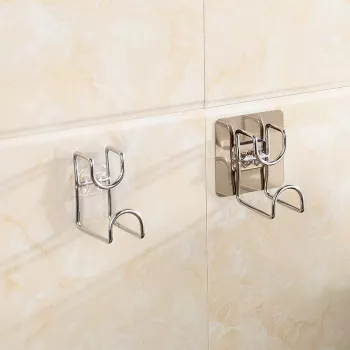
For households that like to keep gear organized and easy to rinse down after use, a complementary stainless accessory such as the Stainless Steel Washbasin Rack can help keep wash bins and cleanup items elevated and accessible in a utility area.
FAQ
Can a stainless steel hand pump sprayer be used with fertilizers and cleaners?
Yes, as long as the product label allows application with a pump sprayer and the solution is compatible with the sprayer’s seals and components. Rinse thoroughly after use and avoid leaving mixed solutions in the tank for extended periods.
How much should a hand pump sprayer be pressurized?
Pump until resistance increases and the spray becomes consistent, then stop before over-pressurizing. If the sprayer has a relief mechanism, follow its guidance; otherwise, test the pattern frequently and maintain steady pressure.
How do you prevent nozzle clogs in a pump sprayer?
Use clean water, fully dissolve concentrates, and strain mixtures if needed. Flush with clean water after each use, and periodically remove and rinse the nozzle tip and any screen or filter.










Leave a comment