Deluxe Donut Grooming Brush: Easy Shedding Control
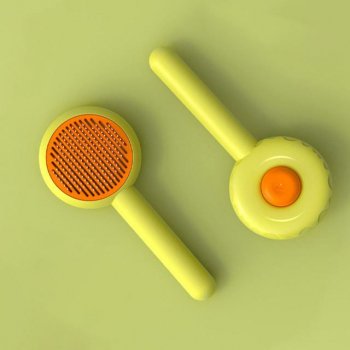
Deluxe Donut Cat & Dog Grooming Brush – Effortless Hair Removal, Comfort in One
Daily shedding, seasonal coat changes, and tangles can quickly turn pet care into a chore. The Deluxe Donut Cat & Dog Grooming Brush is designed to make grooming feel easier on hands and gentler on pets, helping lift loose hair and smooth the coat with a comfortable grip and a pet-friendly feel. Whether you’re doing a quick touch-up before guests arrive or building a steady routine between baths, the goal is simple: less hair around the house and a calmer, cleaner coat. For more guidance, see How to Choose the Right Dog Brush for Your Pet.
What the Deluxe Donut Grooming Brush is made to do
- Helps remove loose hair before it ends up on furniture, clothes, and floors
- Supports routine coat care between baths and professional grooming visits
- Aims for a comfortable grooming experience with a compact, easy-to-hold shape
- Suitable for quick touch-ups or longer grooming sessions depending on coat needs
If you’re looking for a daily-use tool that fits naturally in your hand, start with the Deluxe Donut Cat & Dog Grooming Brush – Effortless Hair Removal. It’s a practical option for households that want consistent maintenance without turning grooming into a wrestling match. For further reading, see Choosing the Best Brush for Your Pet: A Complete Guide.
Comfort features that make grooming easier
- Rounded, compact form factor helps reduce hand fatigue during repetitive brushing
- Ergonomic grip can improve control around sensitive areas like legs, chest, and belly
- Balanced handling makes it easier to maintain gentle pressure rather than tugging
- A friendly, playful design can help some pets stay calmer during grooming time
Comfort matters for both ends of the leash. When your grip is stable, you’re less likely to press too hard or rush, which often leads to pets becoming wary of grooming. A compact brush can also be easier to maneuver around curves and joints—especially on smaller pets or cats that prefer short, predictable strokes.
Effortless hair removal: what to expect
- Best results come from consistent, light passes that lift loose hair gradually
- Works well as part of a shedding routine, especially during seasonal coat blow
- Can help distribute natural oils along the coat for a smoother look
- For heavy undercoat shedding, pairing with a dedicated de-shedding tool may speed up results
For many pets, the “magic” is in repetition rather than force. Gentle, steady brushing helps loosen hair that’s already ready to fall out—so it ends up in the brush instead of drifting onto your couch. For guidance on how often grooming typically makes sense, the American Kennel Club’s grooming frequency overview is a helpful reference point, especially for coat-specific schedules.
How to use it for different coats
- Short coats: Use light strokes in the direction of hair growth; focus on areas that shed most (back, sides).
- Medium coats: Work in sections; use gentle, repeated passes to lift loose hair without snagging.
- Long coats: Start by separating the coat into layers; brush ends first, then move closer to the body to reduce pulling.
- Curly or wavy coats: Use shorter strokes and check for small tangles; avoid aggressive pressure.
If your pet has a thick double coat, think of routine brushing as “maintenance,” then use a specialized tool occasionally during major seasonal shedding. For cats, especially, keeping sessions short and consistent can help prevent coat issues and reduce hair ingestion from self-grooming—ASPCA’s guide to grooming your cat offers solid best practices.
Step-by-step routine for a calmer grooming session
A simple “no-drama” flow
Cleaning and care
If you like setting up a small grooming station near a sink, a simple organizer can keep soap, towels, and tools in one place. The Stainless Steel Washbasin Rack can help keep essentials off the counter and within reach when it’s time to clean up.
Which brush type is best? A quick comparison
| Brush type | Best for | Strengths | Watch-outs |
|---|---|---|---|
| Comfort-grip grooming brush (like the Deluxe Donut) | Routine coat care, loose hair pickup, general grooming | Easy handling, comfortable sessions, good for frequent use | May be slower than undercoat rakes on very dense undercoats |
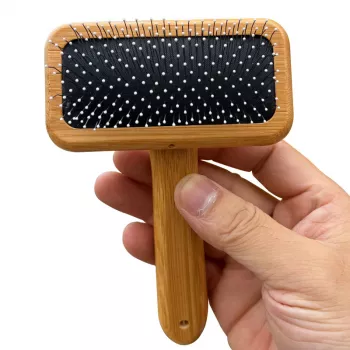
| Slicker brush | Light tangles, fluffing, routine brushing for many coats | Good for surface tangles and finishing | Can irritate skin if used with too much pressure |
| Deshedding tool | Heavy shedding and undercoat blow | Fast reduction of loose undercoat hair | Overuse can thin coat or irritate skin; follow guidance for coat type |
| Comb | Detail work, face/legs, checking for mats | Precision and mat detection | Takes longer for full-body grooming |
Safety tips and when to pause
FAQ
How often should a cat or dog be brushed to control shedding?
Short-coated pets often do well with brushing 1–2 times per week, while long-coated or tangle-prone coats may need brushing 3–5 times per week. Double-coated breeds may benefit from more frequent sessions during seasonal shedding. Keep sessions brief for sensitive pets and build up gradually.
Can this brush be used on both cats and dogs?
Yes—this style of grooming brush can work for both cats and dogs when you adjust pressure and keep strokes gentle. For very dense undercoats, pairing it with a dedicated deshedding tool during peak shedding can speed up results. Always watch your pet’s comfort and stop if irritation appears.
What if my pet dislikes brushing?
Start with short sessions (even 30–60 seconds), add treats, and brush when your pet is relaxed rather than excited. Begin on less sensitive areas like the back, then expand slowly to legs and belly as tolerance improves. If your pet shows ongoing discomfort or skin looks irritated, pause and reassess your approach.










Leave a comment