Suction Pet Shaver with LED: Cleaner At-Home Trims
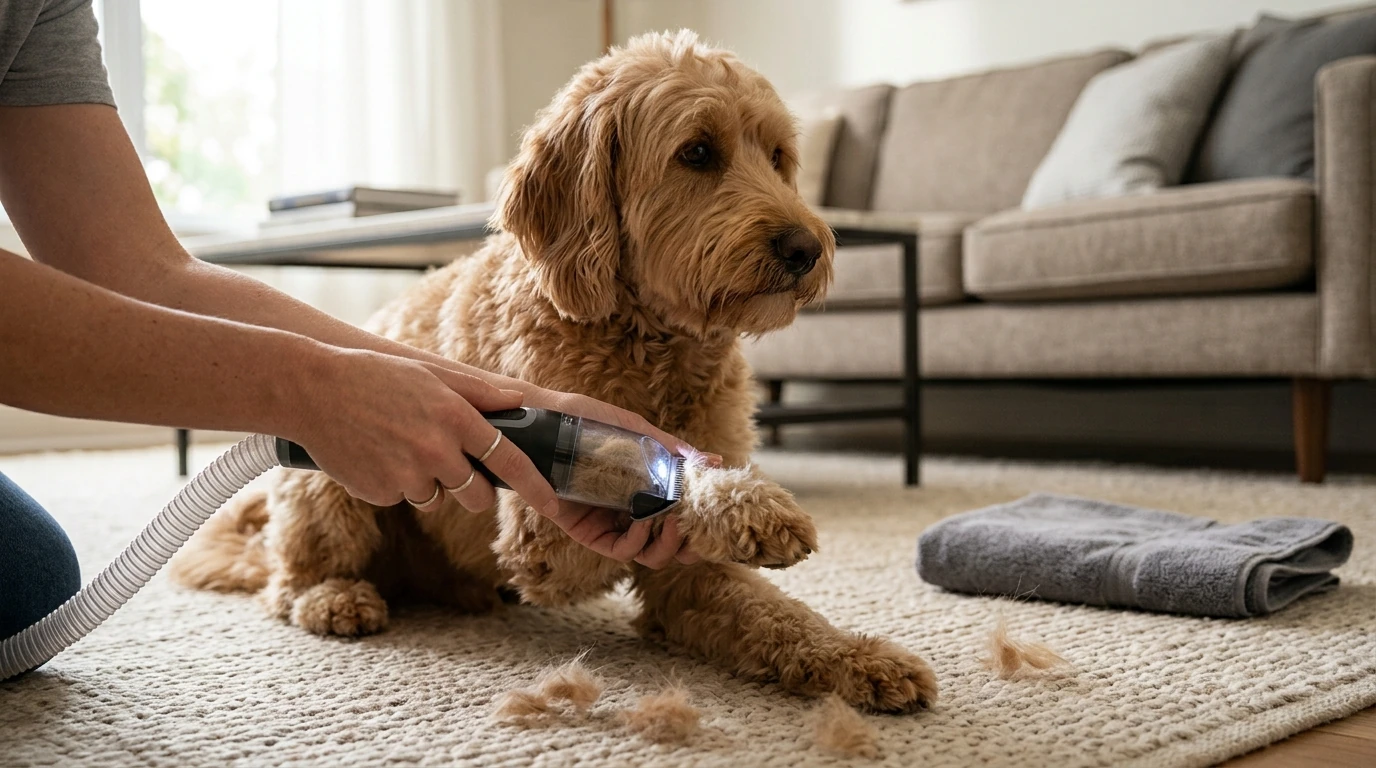
Pet Electric Hair Suction & Shaving Machine with LED Light
Keeping coats neat at home can be faster and less messy when trimming and collecting loose fur happen at the same time. A suction-assisted shaver pairs a clipper-style head with built-in hair collection and an LED light to improve visibility around tricky areas like paws, belly, and behind the ears. It’s a practical option for quick touch-ups between full grooming sessions—helping cut down on hair left on floors, furniture, and clothing.
What This Grooming Tool Does
This style of grooming device is designed to handle two common pain points at once: getting a clean trim and keeping loose fur from drifting everywhere during the process.
- Combines trimming and hair collection so cut fur is pulled away as you groom.
- Built-in LED light helps spot uneven patches, mats, and coat contours in dim rooms.
- Made for at-home maintenance trims, paw pad cleanups, and hygiene areas.
- Helps reduce airborne fur and cleanup time compared with standard clippers.
If you’re looking for a compact at-home solution, see the Pet Electric Hair Suction & Shaving Machine with LED Light for detail work and quick cleanups.
Best Uses by Coat Type and Situation
Different coats respond best to different grooming rhythms. A suction shaver is typically most helpful for maintenance sessions where you want to tidy up without turning the room into a “fur snow globe.”
- Short coats: Quick tidy-ups and shedding control around high-shed seasons.
- Medium coats: Blending and touch-up trims on legs, chest, and feathering.
- Long coats: Maintenance between full grooms; separate severe mats before trimming.
- Anxious pets: Shorter sessions with less loose fur falling can feel less chaotic.
- Multi-pet homes: Helps keep common areas cleaner after frequent touch-ups.
For broader pet wellness and care guidance, the American Veterinary Medical Association (AVMA) pet owner resources are a reliable reference, and the ASPCA dog grooming tips offer helpful best practices for safe home routines.
Key Features to Look For During Use
Even with a well-designed tool, the way it behaves on the coat matters more than a long feature list. During your first few sessions, pay attention to comfort and consistency rather than speed.
- Suction strength: Should capture cut fur without tugging the coat.
- Blade comfort: Smooth glide and gentle contact on sensitive skin areas.
- LED visibility: Improves line accuracy near paw pads, belly, and tail base.
- Noise and vibration: Lower perceived noise can help timid pets tolerate grooming.
- Easy emptying: A quick-release collection area keeps sessions moving.
At-a-Glance Benefits
When trimming and collecting happen together, the whole process tends to feel more controlled—especially in smaller indoor spaces.
- Cleaner trims: Less fur drops onto floors, rugs, and sofas.
- More consistent results: LED helps reveal missed strands and uneven blending.
- Better control: Collected hair reduces slipping and re-clinging to the coat.
- Time saver: Shorter cleanup and fewer passes to achieve an even finish.
| Feature | What it helps with | Where it matters most |
|---|---|---|
| Hair suction during trimming | Captures cut fur and dander as you groom | Indoor grooming, small rooms, apartments |
| LED light | Improves visibility of contours and missed spots | Paws, belly, behind ears, tail area |
| Compact electric shaver format | Closer, controlled trimming for detail work | Hygiene trims and touch-ups |
| Easier post-groom cleanup | Less sweeping/vacuuming after sessions | Multi-pet households |
How to Use It Safely and Comfortably
A calm setup and gentle technique make the biggest difference—especially for pets that are new to buzzing tools.
- Start with a calm setup: Use a non-slip mat, keep treats nearby, and keep the first sessions short.
- Brush and detangle first: Clipping over tangles can pull; carefully separate mats before trimming.
- Keep the tool moving: Avoid pressing hard, especially on the belly, armpits, and inner legs.
- Use the LED intentionally: Check symmetry and spot strays so you don’t overwork one patch.
- Empty and clean as you go: If airflow drops, pause to empty collected fur and clear the cutting head to reduce snagging.
For a more contained grooming station (helpful for wipes, brushes, and keeping items off the floor), the Stainless Steel Washbasin Rack can be a handy organizer near a sink or wash area.
Care, Cleaning, and Storage
Regular maintenance keeps suction performance steady and helps the cutting head stay smooth.
- Remove collected hair after each session to maintain suction performance.
- Wipe down the exterior and grooming head; keep vents clear of fine fur.
- Check blades for buildup and lubricate if manufacturer instructions recommend it.
- Store in a dry place; keep away from curious pets and moisture-prone bathrooms.
- Replace worn blades/attachments as needed to avoid pulling hair.
When to Skip Home Trimming and Call a Pro
Home tools are best for routine upkeep, not high-risk situations. If any of the cases below apply, pause and get professional help.
- Skin irritation, hot spots, or suspected infection that needs veterinary guidance.
- Severe matting close to the skin where shaving can cause nicks or bruising.
- Pets that show escalating fear or aggression despite gradual training.
- Ear, eye, or sanitary areas when visibility and pet movement create higher risk.
FAQ
Is a suction pet shaver safe for dogs and cats?
It can be safe for many dogs and cats when used gently: keep the tool moving, avoid pressing into the skin, and don’t shave over inflamed areas or tight mats. For noise-sensitive pets, introduce it gradually with short, calm sessions.
Does the LED light make a noticeable difference while grooming?
Yes—an LED can help you see coat contours and missed strands, especially around paws, belly lines, and behind the ears. Better visibility often means fewer repeat passes over the same spot.
How often should the hair collection area be emptied?
Empty it whenever suction drops or the chamber looks close to full. More frequent emptying can keep airflow steady and reduce the chance of snagging during detail work.











Leave a comment